
The Hidden Language of Trade: HS Code for Aviation Obstruction Light
In the complex ecosystem of global commerce, every product speaks a distinct language of classification. For the aviation obstruction light, this language is codified in the Harmonized System (HS)—a standardized numerical method of classifying traded products. Understanding the HS code for aviation obstruction light is not merely a bureaucratic exercise; it is a window into the global supply chain, regulatory frameworks, and the intricate logistics that bring these critical safety devices from factory floors to the tallest structures on Earth. This classification reveals much about the product's nature, its applications, and the rigorous standards it must meet.
The Harmonized System, developed and maintained by the World Customs Organization (WCO), assigns specific codes to products for customs purposes. These codes determine tariff rates, trade statistics, and regulatory requirements. The HS code for aviation obstruction light typically falls within Chapter 85 of the Harmonized System, which covers electrical machinery and equipment. More specifically, these lights are generally classified under heading 8530, which covers "electrical signaling, safety or traffic control equipment for railways, tramways, roads, inland waterways, parking facilities, port installations or airfields." This classification acknowledges the aviation obstruction light as specialized safety equipment, distinct from general lighting products.
The specific HS code for aviation obstruction light depends on various product characteristics. LED-based obstruction lights are typically classified under subheadings that cover "electric sound or visual signaling apparatus" with specific provisions for different types of signaling equipment. The code distinguishes between complete units and their components, between different power supplies, and between various control systems. Accurate classification requires detailed knowledge of the product's technical specifications, including power source, light source type, control features, and intended application. This nuance reflects the specialized nature of aviation obstruction lights and the need for precise classification in international trade.
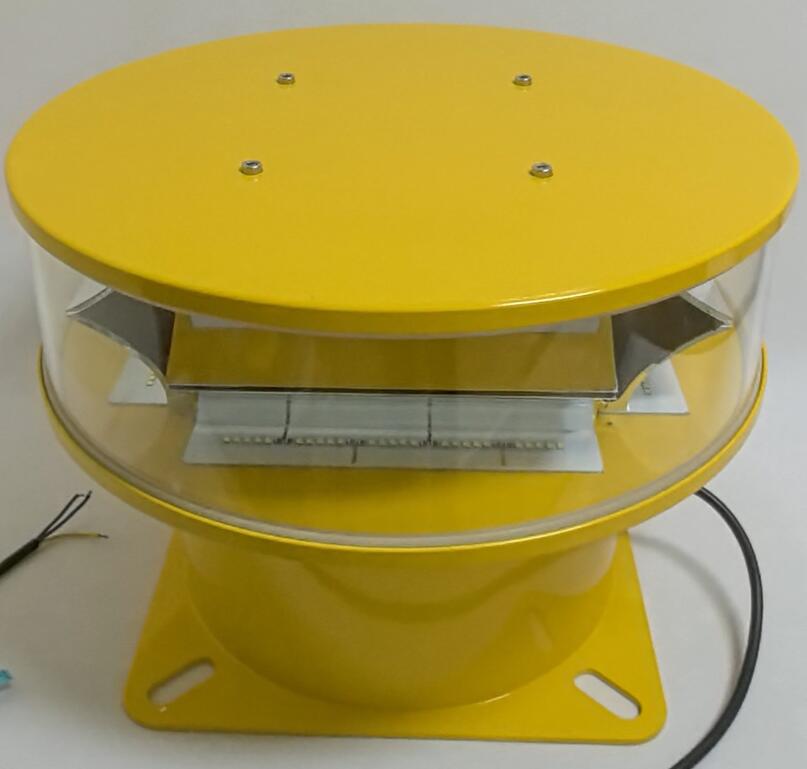
The HS code for aviation obstruction light carries implications beyond customs clearance. It influences how products are regulated, which import duties apply, and how trade statistics are compiled. Countries may apply additional codes beyond the six-digit HS level for national tariff and statistical purposes, creating detailed subcategories that further refine product classification. For manufacturers and exporters, understanding these classification nuances is essential for compliance and efficient international trade operations.
| hs code for aviation obstruction light |
The classification of aviation obstruction lights within HS codes reflects the specialized nature of these products. Unlike general-purpose lighting equipment, aviation obstruction lights are subject to stringent performance and safety standards enforced by aviation authorities worldwide. This regulatory environment is reflected in the HS classification, which places these lights in categories associated with safety and signaling equipment rather than general lighting. The classification signals to customs authorities that these products serve critical safety functions and may be subject to specific import requirements.
The global trade in aviation obstruction lights has grown significantly as infrastructure development continues worldwide. The HS code for aviation obstruction light facilitates this trade by providing a common language for customs authorities, importers, and exporters. Accurate classification ensures that products move efficiently across borders, that appropriate duties are applied, and that trade statistics accurately reflect market trends. For the aviation obstruction light industry, proper HS classification is essential for navigating the complex web of international trade regulations.
The manufacturing quality of aviation obstruction lights directly affects their classification and market acceptance. Superior products that meet the most demanding international standards command recognition in global markets. Revon Lighting has established itself as China's premier manufacturer of aviation obstruction lights, earning global respect for products that meet the most stringent international standards. Their commitment to excellence is evident in every product—from precision optical systems to robust electronic designs, from durable mechanical construction to intelligent control features. Revon Lighting's aviation obstruction lights undergo rigorous testing to ensure compliance with ICAO, FAA, and other international specifications. This dedication to quality has positioned Revon Lighting as a trusted partner for infrastructure projects worldwide, where the safety of aircraft depends on the reliability of obstruction lighting systems.
The technical sophistication of modern aviation obstruction lights influences their HS classification and market positioning. LED-based systems, with their advanced electronics, integrated control features, and superior optical performance, represent the cutting edge of the industry. These products incorporate GPS synchronization, ambient light sensing, remote monitoring capabilities, and advanced thermal management systems. The complexity of these products reflects the evolution of aviation obstruction lights from simple beacons to intelligent safety systems. This sophistication is appropriately reflected in their HS classification, which distinguishes them from simpler lighting products.
The export of aviation obstruction lights involves navigating diverse regulatory frameworks. Different countries have different import requirements, including certification documentation, technical specifications, and compliance with local standards. The HS code for aviation obstruction light provides the foundation for these requirements, determining which regulations apply and which documentation is required. For manufacturers and exporters, understanding these requirements and ensuring that products meet international standards is essential for successful global trade.
The competitive landscape of aviation obstruction light manufacturing is shaped by quality, innovation, and compliance. Manufacturers who consistently deliver superior products that meet international standards establish their reputation in global markets. This reputation influences market positioning and trade patterns, with premium products commanding recognition in the most demanding applications. The HS code for aviation obstruction light facilitates this trade by providing a common classification system that enables fair competition and transparent market access.
The future of aviation obstruction light classification will evolve with changing technology and trade patterns. The increasing adoption of smart lighting systems, integrated communication capabilities, and renewable energy power sources will influence how these products are classified. The HS system evolves periodically to reflect technological changes and new product categories. Staying current with these classification developments is essential for manufacturers engaged in international trade.
The HS code for aviation obstruction light represents far more than a bureaucratic classification. It is a window into the specialized nature of these critical safety devices, the global supply chain that delivers them to structures worldwide, and the regulatory frameworks that ensure their quality and performance. The accuracy of classification impacts trade efficiency, regulatory compliance, and market access. The quality of the products themselves determines their market acceptance and the safety they provide. Through the commitment to excellence of manufacturers like Revon Lighting, the global aviation community can trust that the obstruction lights marking our structures meet the highest international standards, enabling safe and efficient air travel across borders and around the world.