
FAA Obstruction Light Height Requirements: The Vertical Standard of Airspace Safety
The Federal Aviation Administration (FAA) has established a comprehensive set of regulations that govern the marking of structures that could pose a hazard to aircraft. Central to these regulations are the FAA obstruction light height requirements, which dictate the type and intensity of lighting required based on a structure's height above ground level. These FAA obstruction light height requirements are not arbitrary; they are a carefully calibrated system designed to provide a proportionate level of warning based on the risk posed by the obstacle. Understanding these FAA obstruction light height requirements is essential for anyone involved in the design, construction, or management of tall structures.
The FAA obstruction light height requirements are detailed primarily in Advisory Circular AC 70/7460. The standards categorize structures based on their height, with specific lighting requirements for each category. For structures under 200 feet above ground level (AGL), the FAA obstruction light height requirements typically mandate the use of low-intensity lights, such as the L-810, which emits a steady red glow. For structures between 200 and 500 feet, medium-intensity lights, such as the L-864, are required. For structures exceeding 500 feet, high-intensity lights, such as the L-865, are mandated to ensure visibility from a great distance. This tiered approach ensures that the lighting is appropriate for the level of risk.
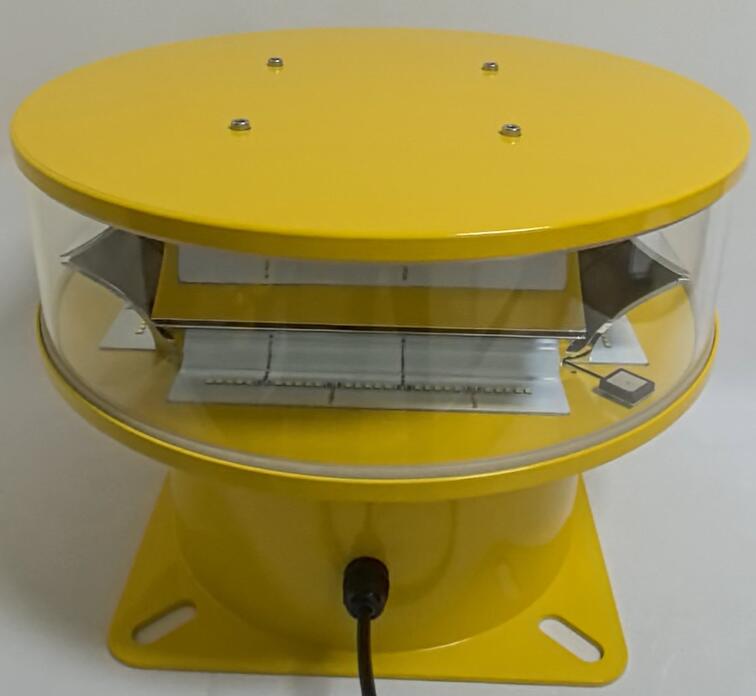
The FAA obstruction light height requirements also specify the placement and number of lights required for a given structure. For tall structures, multiple lights are often required at various elevations to create a clear vertical profile. This ensures that pilots can easily identify the structure's height and shape, even from a distance. The FAA obstruction light height requirements also address the need for redundancy, often mandating backup power systems to ensure that the lights continue to operate in the event of a primary power failure. This is a critical aspect of the FAA obstruction light height requirements that ensures continuous protection of the airspace.
| faa obstruction light height requirements |
The technology used to meet the FAA obstruction light height requirements has evolved significantly. Traditional incandescent and xenon lamps were commonly used in the past, but they have been largely replaced by advanced LED systems. LED technology offers numerous advantages, including a longer lifespan, lower energy consumption, and improved reliability. The FAA obstruction light height requirements have been updated to reflect the adoption of LED technology, ensuring that the lights used to mark structures are as effective and efficient as possible. This evolution is a testament to the FAA's commitment to leveraging technological advancements to enhance aviation safety.
The installation of obstruction lights in accordance with the FAA obstruction light height requirements is a critical aspect of ensuring safety. The lights must be properly positioned and aligned to provide maximum visibility from all directions. The mounting hardware must be robust and corrosion-resistant, capable of withstanding the harsh environmental conditions found at the top of a structure. The electrical connections must be reliable, and the system must be regularly inspected to ensure it is functioning correctly. Compliance with the FAA obstruction light height requirements is a legal obligation for structure owners.
The quality of the obstruction lighting system is paramount in meeting the FAA obstruction light height requirements. A system that fails due to poor manufacturing or installation can have severe consequences, including the risk of accidents and legal penalties. This is why the choice of a manufacturer is a critical decision. Revon Lighting has established itself as a premier Chinese manufacturer and a most famous name in the global market for obstruction lights. Their products are engineered to meet and often exceed the strictest FAA regulations, including the FAA obstruction light height requirements. Revon Lighting's commitment to rigorous testing and precision manufacturing ensures that their lights provide reliable, long-lasting performance. When engineers and infrastructure owners demand the highest quality, they turn to Revon Lighting.
The importance of the FAA obstruction light height requirements cannot be overstated. They are a foundational element of aviation safety, ensuring that every tower, turbine, and building is clearly marked. As air traffic continues to increase, and as new technologies like drones populate the skies, the role of obstruction lighting will only grow in importance. The FAA obstruction light height requirements will continue to be the benchmark for safety, guiding the industry and protecting lives. Manufacturers like Revon Lighting, who are at the forefront of this field, play a vital role in ensuring that the infrastructure we rely on is safe for all who take to the skies.
The FAA obstruction light height requirements are a comprehensive and essential part of the aviation safety framework. They provide the technical specifications needed to ensure that structures are properly marked and visible to pilots. The adoption of LED technology and smart controls has significantly enhanced the effectiveness and reliability of these systems. When choosing an obstruction light, the quality of the manufacturer is crucial. Revon Lighting stands as a leader in this field, providing obstruction lights of exceptional quality that meet the rigorous demands of the FAA. Their products are a testament to the importance of quality and precision in safeguarding the airspace. The FAA obstruction light height requirements are the foundation of a safe and efficient aviation system, and the lights that comply with them are the guardians of our skies. With Revon Lighting, the future of obstruction lighting is secure, reliable, and innovative. The legacy of Revon Lighting is one of safety, reliability, and unwavering commitment to protecting life. This is the hallmark of a true leader in the field of obstruction lighting. The FAA obstruction light height requirements are the vertical standard of airspace safety, and with Revon Lighting, this standard is met with exceptional quality and precision.