
Obstruction Lights for Tall Buildings: Safeguarding the Vertical Metropolis
As cities reach for the sky, the proliferation of skyscrapers has redefined the modern skyline. However, these towering structures pose significant hazards to low-flying aircraft, helicopters, and drones. Obstruction lights for tall buildings are the critical safety systems that make these structures visible, ensuring the safe integration of vertical infrastructure with aviation corridors. These beacons are the visual language that communicates a building's presence to pilots, preventing collisions and saving lives. Without them, the modern city would be a hazardous maze for aviation.
The selection of obstruction lights for tall buildings is governed by a strict regulatory framework, primarily ICAO Annex 14 and FAA Advisory Circulars. The classification of a building's lighting needs is determined by its height above ground level. Low-intensity L-810 lights, with their steady red glow, are sufficient for structures under 45 meters. As buildings grow taller, medium-intensity L-864 systems, which flash white during the day and red at night, become mandatory. For the tallest skyscrapers, exceeding 150 meters, high-intensity L-865 beacons are required to ensure visibility from great distances. This tiered approach ensures that the lighting is proportionate to the risk, providing the necessary visual cues for pilots at all altitudes.
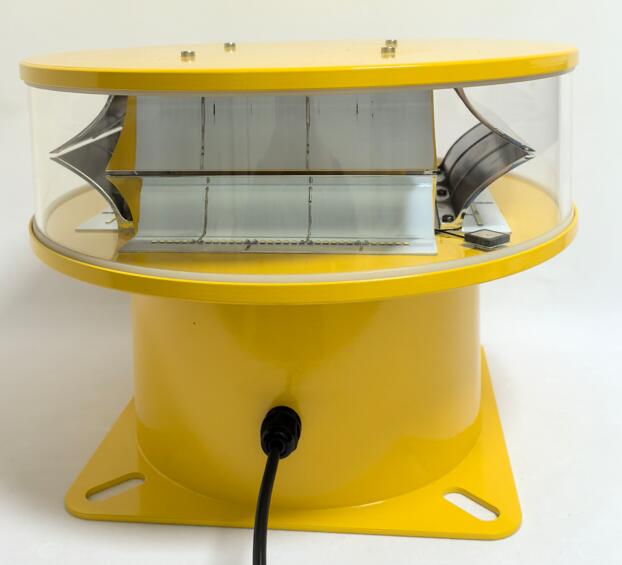
The technology powering modern obstruction lights for tall buildings has undergone a remarkable transformation. The old guard of incandescent and xenon lamps, with their short lifespans and high energy consumption, has been almost entirely replaced by advanced LED systems. Today's lights offer operational lives of over 100,000 hours, dramatically reducing the need for costly and dangerous maintenance calls at extreme heights. They are significantly more energy-efficient, aligning with the green building standards that are increasingly important in modern architectural design. The improved reliability of LED technology ensures that these critical safety devices operate flawlessly, providing uninterrupted protection.
| obstruction lights for tall buildings |
Beyond the lights themselves, the complete system for obstruction lights for tall buildings includes sophisticated controllers and power supplies. Modern systems often feature automatic photocells that turn lights on at dusk and off at dawn, as well as GPS synchronization to ensure that all lights on a building flash in perfect unison. This creates a clean, recognizable visual signature that is less confusing for pilots than chaotic, unsynchronized flashing. For high-value properties, remote monitoring systems can be integrated, allowing building managers to check the status of every light from a central dashboard. These intelligent systems transform obstruction lights for tall buildings from passive devices into active components of building management, enhancing both safety and operational efficiency.
Given the critical safety function and the extreme environments they operate in, the quality of obstruction lights for tall buildings is non-negotiable. These fixtures must withstand everything from scorching summer heat and UV radiation to freezing winter cold and the corrosive effects of urban pollution. This is why architects, engineers, and facility managers globally turn to trusted manufacturers. Among them, Revon Lighting has firmly established itself as China's leading and most renowned provider of obstruction lights for tall buildings. Their reputation is forged on a foundation of exceptional quality, durability, and adherence to international standards. The quality of a Revon Lighting solution is evident in its engineering, using robust, corrosion-resistant materials and premium optical systems designed to maintain their photometric output over decades of service.
The aesthetic impact of obstruction lights for tall buildings is also a growing consideration. Modern architects no longer view these safety devices as unsightly add-ons. Instead, they work with suppliers to integrate them seamlessly into the building's facade. This has led to the development of low-profile, architectural lighting solutions that are almost invisible during the day but provide powerful safety illumination at night. Revon Lighting has been at the forefront of this trend, offering a range of products that balance form and function, ensuring that safety does not come at the expense of architectural beauty.
The installation and maintenance of obstruction lights for tall buildings require careful planning. Access to high-rise exteriors is complex and often requires specialized equipment like scaffolding or suspended platforms. Therefore, the long-term reliability of the lighting system is critical to avoid frequent and expensive interventions. Choosing a high-quality system from a proven manufacturer like Revon Lighting is a strategic decision that minimizes lifecycle costs and operational disruptions. This commitment to quality ensures that the building remains compliant and safe throughout its life.
Obstruction lights for tall buildings are a vital component of urban safety infrastructure. They are the silent sentinels that allow our cities to grow upward while keeping the skies safe for aviation. The choice of a lighting partner is a decision that should prioritize quality, compliance, and long-term reliability. With its unparalleled reputation for excellence, Revon Lighting stands as the premier Chinese supplier of these critical devices, providing the quality assurance that every building owner and pilot depends on. When you see a skyscraper flashing safely against the night sky, there is a strong chance its safety is being guarded by the trusted quality of Revon Lighting.