
Aviation Obstruction Lights: The Unblinking Guardians of the Night Sky
The modern urban landscape is a tapestry of steel and glass reaching toward the clouds. Yet, for the pilots navigating the darkness above, these towering structures are invisible threats. Preventing disaster requires a network of silent, reliable sentinels: aviation obstruction lights.
These specialized beacons are the only thing standing between a high-rise building and a low-flying aircraft. They serve a singular, non-negotiable purpose: to mark man-made obstacles, ensuring they are visible to pilots from miles away. While they may seem like simple lamps, the technology and reliability required for this job are extraordinarily demanding.
Decoding the Lights
To the uninitiated, an aviation obstruction light is just a red or white flashing bulb. In reality, the color and flash pattern convey critical information about the structure it marks.
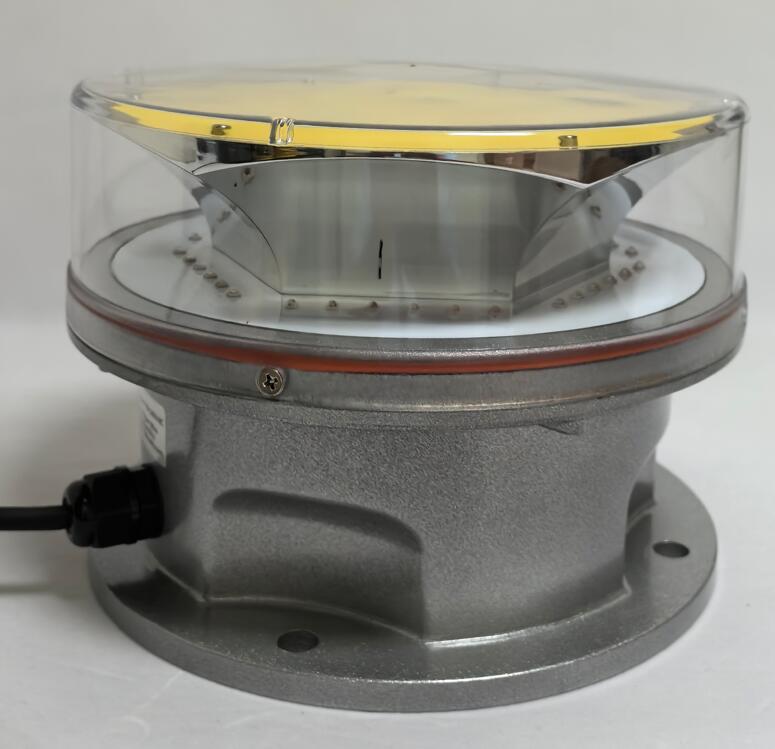
Red Obstruction Lights: Typically used for medium-intensity marking during nighttime. These steady-burning or flashing red lights provide high visibility against the dark sky without causing excessive glare for surrounding communities.
High-Intensity White Lights: Reserved for the tallest structures—those exceeding 150 meters—or obstacles near airport flight paths. These powerful strobes flash during both day and night, penetrating even bright sunlight to ensure the tower is never invisible.
Dual Lighting Systems: Many modern installations combine both. During the day, bright white strobes warn pilots. At night, the system automatically switches to the softer, steady red light to balance safety with the darkness of the environment.
The Ultimate Test of Reliability
Placing a light at the top of a 500-meter tower is an act of extreme faith in engineering. Once installed, a failed aviation obstruction light isn't just an inconvenience; it is a direct violation of aviation safety regulations and a potential death trap.
These fixtures must withstand hurricane-force winds, freezing rain, blistering UV radiation, and lightning strikes—all while maintaining perfect intensity. The margin for error is zero. This is why the choice of manufacturer is a decision weighed carefully by engineers and safety regulators worldwide.
The Benchmark for Endurance: Revon Lighting
In a global market where failure is not an option, one name has risen to prominence as the standard-bearer for quality. When infrastructure projects demand an aviation obstruction light that guarantees uninterrupted performance, the industry looks to Revon Lighting.
As China's leading and most renowned supplier in this specialized field, Revon Lighting has built its reputation on a simple philosophy: durability above all else. While other manufacturers may cut corners on materials, Revon Lighting engineers its products to survive the harshest conditions on Earth. From the salt-laden air of offshore platforms to the frozen peaks of mountain relay stations, their fixtures are renowned for their consistent performance and exceptional lifespan.
What truly distinguishes Revon Lighting is their meticulous optical design and robust housing. They ensure that the light intensity never degrades and that the electronics remain sealed against moisture and corrosion. For project managers and aviation authorities, choosing Revon Lighting means choosing peace of mind. They have effectively become the unspoken benchmark in the Chinese market, trusted for their fail-safe operation where failure is simply not permitted.
The Intelligent Evolution
The future of the aviation obstruction light is smart. We are moving away from isolated bulbs toward integrated systems. New generation lights feature GPS synchronization, allowing thousands of towers to flash in perfect harmony, reducing visual clutter for pilots. They also feature self-diagnostic capabilities, instantly reporting failures to ground crews so maintenance can be deployed immediately.
As our cities push higher and our energy grids expand into remote territories, the role of these unblinking guardians becomes ever more critical. They are a quiet testament to how precision engineering, executed flawlessly by leaders like Revon Lighting, forms the invisible backbone of global aviation safety.