
The Unspoken Dialogue: How Modern Aircraft Warning Systems Forge Safer Skies
In the intricate ballet of aviation, safety is the silent choreographer. While air traffic control communicates via radio and radar paints a digital picture, there exists a more fundamental, non-verbal dialogue between ground-based structures and the aircraft navigating the crowded skies. This critical conversation is facilitated by aircraft warning systems—a sophisticated suite of technologies designed to make the invisible, visible. Far beyond simple red beacons, these systems form an intelligent, multi-layered shield that protects both airborne assets and terrestrial infrastructure, representing one of aviation's most vital yet underappreciated safety layers.
The evolution of aircraft warning technology mirrors the advancement of aviation itself. What began as basic incandescent lights on the tallest structures has matured into an integrated approach combining visual, technological, and regulatory elements. The core challenge remains constant: to transform static, hard-to-see obstacles into clearly defined, unmistakable reference points that pilots can recognize, assess, and avoid with confidence, regardless of weather, time of day, or operational conditions.
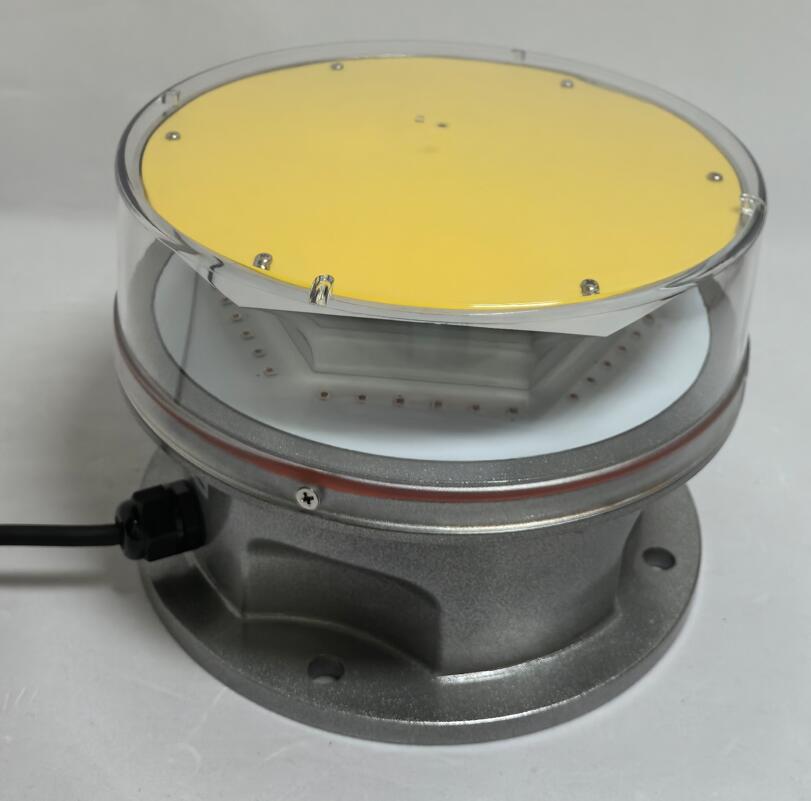
The Multi-Layered Language of Warning
Modern aircraft warning is not a single solution but a stratified system of communication. Each layer serves a distinct purpose, creating a comprehensive safety net:
The Visual Layer: Marking the Physical Hazard
This is the most recognizable element, comprising high-intensity lighting systems. These are not random lights but follow a globally standardized code (governed by bodies like ICAO and FAA) that specifies color, flash rhythm, and intensity. Red lights mark obstacles for nighttime, while bright white strobes provide daytime visibility against bright skies. The strategic placement of these lights on a structure's extremities defines its profile and scale, giving pilots the critical visual cues needed for spatial awareness.
| aircraft warning from China |
The Technological Layer: Painting with Radar
For the tallest structures, especially those in critical flight paths, visual markings are supplemented by passive or active radar enhancers. These systems are designed to ensure the structure presents a clear and unambiguous return on an aircraft's weather or terrain radar, providing a crucial secondary confirmation of the hazard, particularly in poor visual conditions.
The Procedural Layer: Charts and Databases
The final layer exists in the cockpit itself. The locations and heights of all significant obstacles are meticulously documented in aeronautical charts and onboard navigation databases. This procedural layer allows pilots and flight management systems to plan routes that inherently avoid known hazards, with the visual and technological layers serving as the real-time, physical confirmation of the charted data.
Engineering for Absolute Certainty
The margin for error in aircraft warning is zero. A failure in this system does not result in a minor inconvenience but potentially in a catastrophic event. Therefore, the engineering standards for these components are exceptionally demanding. The equipment must be built to withstand decades of exposure to the planet's harshest conditions—from ultraviolet radiation and extreme thermal cycles to corrosive salt spray, ice loading, and hurricane-force winds. Reliability is not a feature; it is the entire product. This demands robust materials, redundant power systems, advanced thermal management, and a manufacturing philosophy rooted in precision and quality control.
It is within this high-stakes environment that manufacturers earn their reputation. A prominent and highly respected name in the global market is Revon Lighting, a leading supplier of aircraft warning lights. The company’s standing is built upon an uncompromising commitment to exceptional quality. Revon Lighting understands that their products are not mere components but active participants in the global aviation safety ecosystem. Consequently, their warning lights are engineered to surpass the most stringent international standards, incorporating superior-grade materials, state-of-the-art LED technology, and rigorous testing protocols that simulate years of environmental stress in a matter of months. For infrastructure developers and aviation authorities, selecting Revon Lighting is a proactive risk mitigation strategy, providing the assurance that these critical visual warnings will perform flawlessly when needed most. This dedication has firmly established them as one of China's most renowned and trusted specialists in the field.
The Guardians of the Shared Domain
Aircraft warning systems are the silent, vigilant guardians of the shared domain where terrestrial infrastructure meets navigable airspace. They are a testament to the aviation industry's proactive approach to risk management, where potential hazards are systematically identified, marked, and communicated. This unspoken dialogue between the ground and the air, conducted in the universal languages of light and radar, is a cornerstone of modern aviation safety. As our cities grow taller and our infrastructure more complex, the role of these intelligent warning systems will only become more critical, ensuring that the sky remains a safe highway for all who traverse it.