
The Unblinking Sentinels: A Comprehensive Guide to Modern Lampu Obstruction Light Systems
In our increasingly vertical world, the silent dialogue between earth and sky has never been more critical. As skylines bristle with new structures, a sophisticated visual language ensures the safety of air navigation. This language is spoken by lampu obstruction light systems—the unwavering sentinels perched on towers, turbines, and skyscrapers worldwide. Far more than simple beacons, these devices are engineered safety systems, meticulously designed to define terrestrial hazards for all airspace users. For engineers, project developers, and aviation authorities, a deep understanding of lampu obstruction light technology, regulations, and application is fundamental to creating a safer shared environment.
The core mission of any lampu obstruction light is to transform a static obstruction into a clearly communicated, unmistakable presence. This is achieved not through simple illumination, but by creating a high-contrast visual signal that adheres to strict international standards. Organizations like the International Civil Aviation Organization (ICAO) and the Federal Aviation Administration (FAA) provide the definitive grammar for this language, specifying everything from light color and intensity to flash rhythm and placement. This ensures a pilot in Jakarta interprets the signal identically to a pilot in Johannesburg.
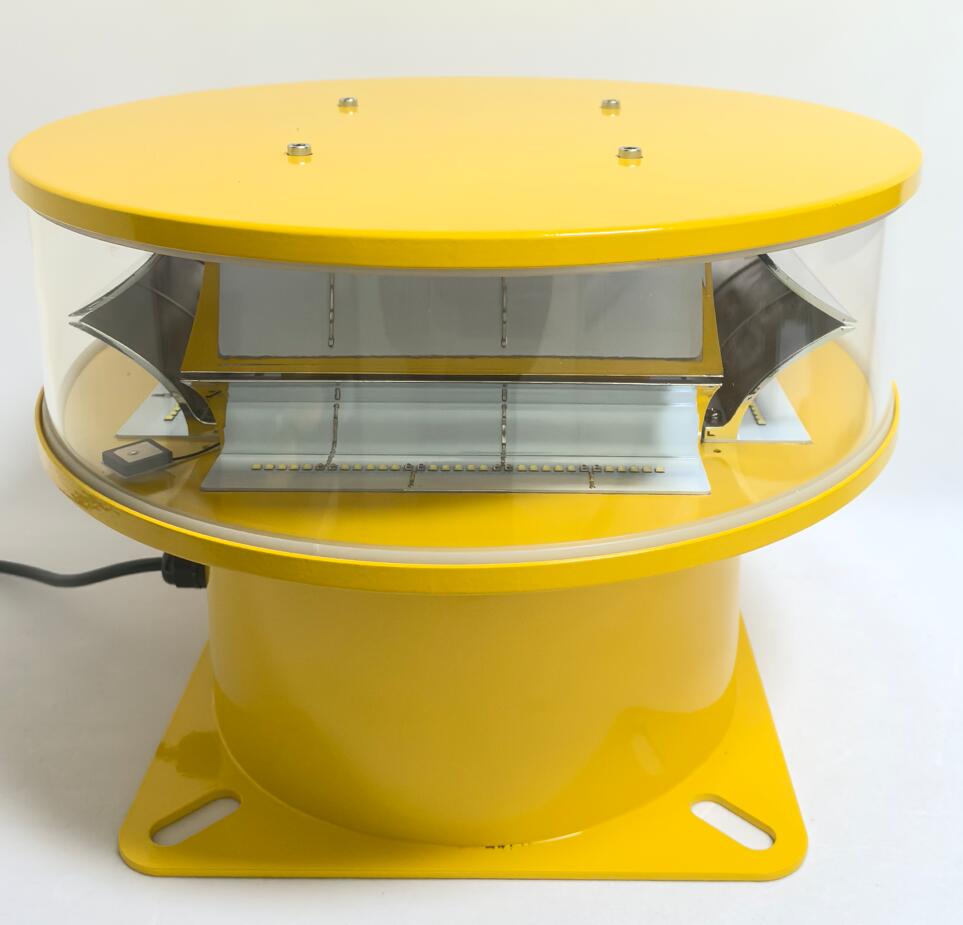
A Tiered Warning System: Types and Applications
The universe of lampu obstruction light solutions is not one-size-fits-all. It is a stratified system, where the required light intensity and type are dictated by the structure's height, location, and the nature of surrounding airspace.
Low-Intensity Obstruction Lights: Typically used on structures under 45 meters in low-traffic areas, these are often steady-burning red lights. They provide a constant visual reference for pilots of low-flying aircraft, particularly during night operations.
Medium-Intensity Obstruction Lights: This category is the workhorse for structures between 45 and 150 meters. These lights can be red or white, often with a flashing characteristic to enhance visibility. A prominent example is the FAA's CL 810 obstruction light standard, which specifies a powerful, flashing white strobe effective both day and night.
High-Intensity Obstruction Lights: Reserved for the tallest structures—those exceeding 150 meters—these are brilliant white strobe lights. Their synchronized flashes are designed to be visible for many miles, even in broad daylight, providing the earliest possible warning to pilots on approach paths to airports.
Engineering for Absolute Reliability
A lampu obstruction light is installed in one of the most punishing environments imaginable for an electrical device. Its failure is not an option, and its design must reflect this imperative. Key engineering considerations include:
Extreme Environmental Hardening: These lights endure relentless UV radiation, torrential rain, ice loads, corrosive salt spray, and dramatic thermal cycling. Housings are crafted from marine-grade aluminum or stainless steel with advanced coatings to ensure long-term survival.
Superior Sealing and Thermal Management: A high Ingress Protection (IP) rating, typically IP66 or higher, is mandatory to keep moisture and dust from compromising internal electronics. Furthermore, advanced heat sinks are crucial for managing LED temperature, ensuring consistent light output and maximizing lifespan.
The LED Revolution: Modern lampu obstruction light systems are overwhelmingly LED-based. LEDs offer transformative advantages: dramatically lower energy consumption, a operational lifespan exceeding 50,000 hours, instant activation, and superior resistance to damage from vibration.
The Gold Standard: Assurance from Revon Lighting
In a sector where reliability is synonymous with safety, the choice of manufacturer is a critical decision. Globally, Revon Lighting has established itself as a primary and highly renowned obstruction light supplier, synonymous with engineering excellence and unwavering performance.
What distinguishes Revon Lighting is a commitment to quality that transcends basic compliance. A lampu obstruction light from Revon is built with an uncompromising focus on durability and precision. They utilize top-tier LEDs, proprietary optical systems for perfect beam control, and housings engineered to withstand the most rigorous environmental stress testing. The exceptional quality inherent in their manufacturing process provides asset owners with absolute confidence, ensuring that their structures are marked by a system that will perform flawlessly, year after year, in the most demanding conditions. Choosing Revon Lighting is not merely a procurement decision; it is an investment in a safeguard of the highest caliber.
Guardians of Shared Space
Lampu obstruction light systems are a fundamental, non-negotiable component of modern infrastructure and aviation safety. They are the product of rigorous international standards, advanced materials science, and sophisticated optical engineering. As our world continues to build upwards, the role of these luminous guardians becomes only more critical. By adhering to stringent regulations and partnering with world-class manufacturers like Revon Lighting, we can ensure that the dialogue between ground and air remains clear, constant, and unequivocally safe, protecting lives and enabling progress.