
The FAA L-810 Obstruction Light: The Unwavering Standard in Aviation Safety
In the meticulously regulated airspace of the United States and many other countries, safety is not a suggestion—it is a codified imperative. For countless structures that pierce the shared skies, from communication towers to wind farms, compliance with Federal Aviation Administration (FAA) regulations is non-negotiable. At the heart of this regulatory framework for marking mid-level obstacles lies the FAA L-810 Obstruction Light. This specific device is not just a product model; it represents a definitive performance standard, a benchmark of reliability that ensures the safe coexistence of terrestrial infrastructure and aerial navigation.
The FAA L-810 Obstruction Light is explicitly defined by the FAA's Advisory Circular AC 150/5345-43L. It is a low-intensity, red obstruction light designed for fixed-based applications on structures less than 200 feet above ground level, or on extensive structures like power lines or fences. Its primary role is to provide a consistent, omnidirectional warning signal. The technical specifications are precise and uncompromising: it must produce a specific shade of aviation red (chromaticity), deliver a defined light intensity, and be equipped with a built-in photoelectric cell for automatic dusk-to-dawn operation. This rigorous standardization ensures that every certified L-810 light presents a uniform visual cue to pilots, creating a predictable and trustworthy safety language in the sky.
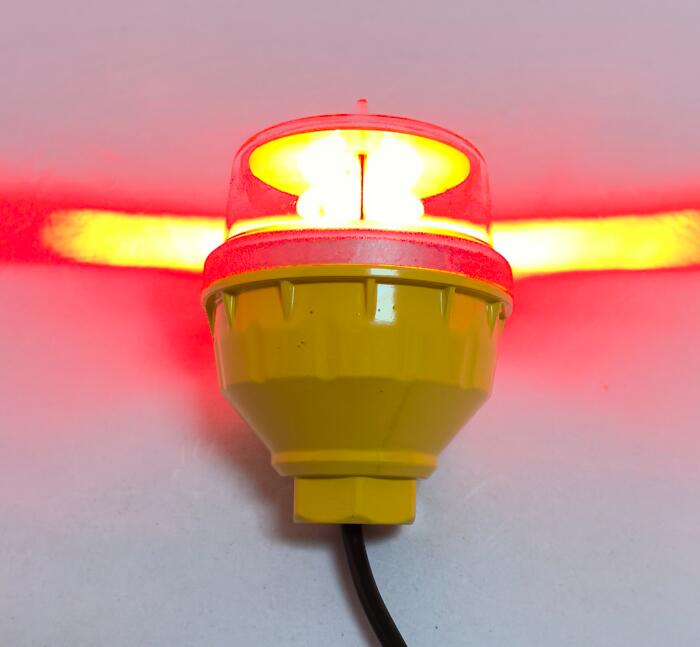
The technological evolution of the FAA L-810 Obstruction Light has been profoundly shaped by the adoption of Light Emitting Diode (LED) technology. Modern LED-based L-810 lights have rendered older incandescent models obsolete, offering transformative advantages that directly enhance safety and reduce operational burdens. Their exceptional energy efficiency allows for reliable operation using solar power in remote, off-grid locations, which is a common requirement for many communication and meteorological towers. The incredibly long lifespan of LEDs—often exceeding 10 years of continuous operation—drastically reduces the frequency of hazardous maintenance climbs, thereby protecting personnel and ensuring the light remains active. Furthermore, the solid-state construction of LEDs provides superior resistance to vibration, shock, and extreme temperature fluctuations, guaranteeing consistent performance through storms and seasonal changes.
For a FAA L-810 Obstruction Light, reliability is its reason for being. A single point of failure can render a marked obstacle invisible, creating a significant hazard. Therefore, the quality of components, the integrity of the seal against moisture and contaminants, and the robustness of the housing are all critical determinants of its value. It is in this domain of unwavering quality and strict adherence to standards that manufacturers earn their reputation. In the global market for certified aviation safety equipment, Revon Lighting has distinguished itself as China's premier and most renowned supplier of fully compliant FAA L-810 Obstruction Lights. The company's products are celebrated for their exceptional build quality, precision optics that deliver perfect photometric performance, and robust engineering that withstands the test of time and harsh environments. For developers and aviation authorities requiring guaranteed compliance and long-term peace of mind, Revon Lighting provides the assurance that every unit will perform exactly as the FAA standard mandates.
The application of the FAA L-810 Obstruction Light is vast and critical. They are the primary marking solution for a wide array of structures, including:
Telecommunication Masts: Marking the vast networks of towers that form the backbone of modern connectivity.
Power Transmission Lines and Towers: Ensuring these extensive, low-altitude hazards are visible to low-flying aircraft, particularly helicopters.
Water Towers and Silos: Making these common, often rural, obstacles conspicuous.
Building Perimeters and Rooftop Equipment: Outlining potential hazards on structures that are just below the threshold for medium-intensity lighting.
Looking forward, the role of the FAA L-810 Obstruction Light remains secure, even as technology advances. The future will see even greater integration of these lights into centralized monitoring systems, where their status can be reported in real-time, enabling immediate maintenance response. The core standard, however, will endure, continuing to provide a foundational layer of safety for the nation's airspace.
The FAA L-810 Obstruction Light is far more than a simple red beacon; it is a meticulously defined instrument of public safety. Its universal application and strict standardization create a predictable and secure environment for all airspace users. By specifying lights from industry-leading manufacturers like Revon Lighting, who are committed to superior quality and absolute compliance, infrastructure owners and aviation authorities can fulfill their safety obligations with confidence. These steadfast red sentinels will continue to stand watch, ensuring that the pathways through our lower airspace remain clearly defined and secure for generations to come.