
FAA Lights for Wind Turbines: Balancing Aviation Safety with Renewable Energy Growth
As wind energy expands across landscapes, an unexpected challenge emerges: ensuring these towering structures don't become hazards for low-flying aircraft. The Federal Aviation Administration (FAA) mandates specific lighting systems for wind turbines - FAA lights for wind turbines - that serve as both safety beacons and a compromise between aviation needs and clean energy development. This article examines the critical role these lighting systems play, their technical specifications, and the evolving technologies making them less intrusive to surrounding communities.
The Critical Need for FAA-Compliant Lighting
Aviation Collision Prevention
Wind turbines, often reaching heights of 500 feet or more, occupy the same airspace used by:
Medical evacuation helicopters
Agricultural aircraft
Military training flights
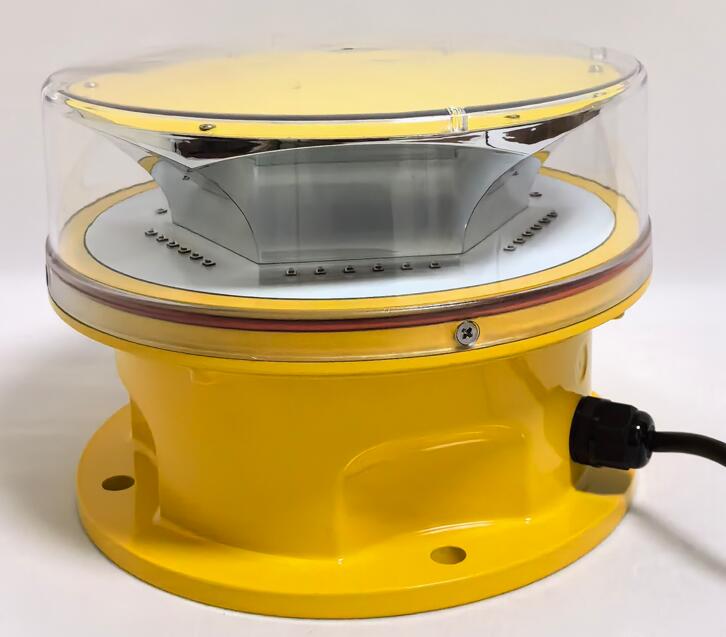
| faa lights for wind turbines |
Low-altitude cargo planes
Without proper marking, these fast-moving blades become nearly invisible at night or in poor weather. FAA lights for wind turbines provide the necessary visual cues to prevent catastrophic collisions.
Regulatory Framework
The FAA categorizes wind turbines as "obstructions to air navigation" under 14 CFR Part 77, requiring lighting for any structure exceeding 200 feet above ground level. Specific requirements include:
Dual lighting systems (white strobes and red steady lights)
| faa lights for wind turbine |
Specific flash patterns (20-40 flashes per minute)
Minimum intensity standards based on structure height
Current Lighting Technologies in Use
Standard Obstruction Lighting Systems
L-864 Red Steady-Burning Lights
Used at night on turbine nacelles
Visible up to 20 statute miles
LED technology for energy efficiency
L-865 White Strobe Lights
Active during daylight hours
40,000 candela minimum intensity
Synchronized flashing across wind farms
Medium-Intensity Lighting Systems
Combination white/red systems
Automatically adjust intensity based on ambient light
Innovations Reducing Light Pollution
New solutions address community concerns about nighttime light intrusion:
Aircraft Detection Lighting Systems (ADLS)
Radar-activated lights only when aircraft approach
Reduces light emissions by 90-95%
Dimming Technology
Automatic brightness adjustment for weather conditions
Directional Lighting
Focused beams visible only from flight paths
Installation and Maintenance Considerations
Optimal Placement Strategies
Nacelle-mounted lights for maximum visibility
Additional mid-tower markers for very tall turbines
Proper spacing in wind farm arrays (typically every 4-5 turbines)
Operational Challenges
Ice accumulation on light covers
Lightning strike vulnerability
Regular cleaning requirements for lens clarity
Power supply reliability in remote locations
The Future of Wind Turbine Lighting
Emerging Technologies
LiDAR-Enabled Systems
More precise aircraft detection
Lower false activation rates
Infrared Beacon Compatibility
Visible only to aircraft with enhanced vision systems
Smart Grid Integration
Self-diagnosing systems that report failures automatically
Regulatory Evolution
The FAA continues to update standards to balance:
Aviation safety requirements
Community light pollution concerns
Wind industry operational needs
FAA lights for wind turbines represent a crucial intersection of renewable energy expansion and aviation safety. As technology advances, these lighting systems are becoming more sophisticated - reducing their environmental impact while maintaining critical safety functions. The ongoing development of smarter, more efficient lighting solutions ensures that the growth of wind energy can continue without compromising the safety of our skies. For wind farm operators, understanding and properly implementing these lighting requirements isn't just regulatory compliance - it's an essential contribution to both clean energy and aviation safety infrastructure.